
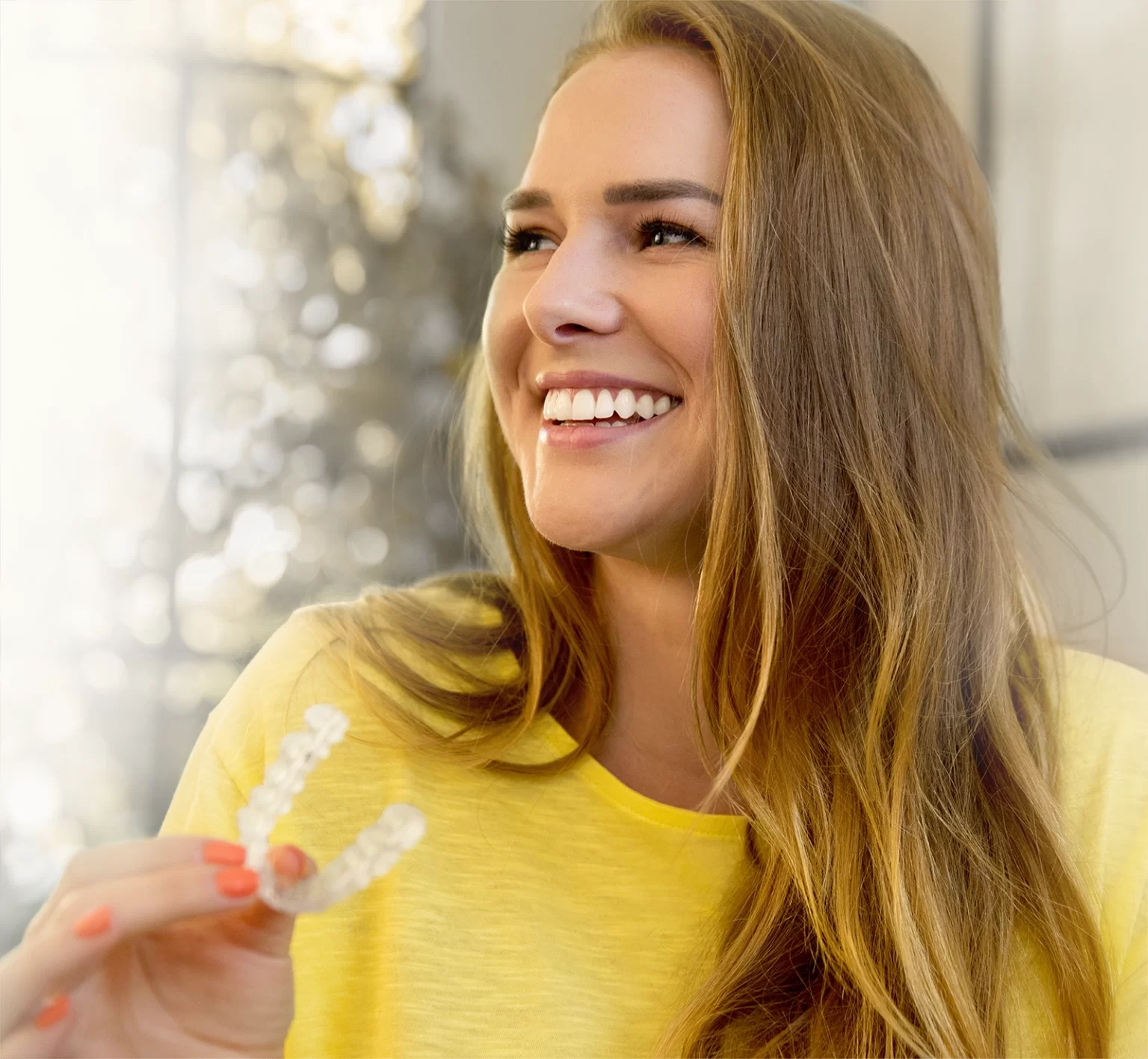
Invisalign aligners are clear trays worn over the teeth to support alignment over time. These trays are made from a special material and are shaped for a close fit.
To keep them in proper condition and avoid damage, a few daily habits are helpful. Clean handling and regular care can extend the use of Invisalign in Abu Dhabi throughout the treatment period.
Rinse after removal:
Each time the aligners are taken out, rinsing them with water is a simple way to clear away saliva or debris. This also stops the trays from drying out or collecting residue. Rinsing before putting them back on helps maintain basic hygiene throughout the day.
Clean gently and daily:
A soft-bristled brush is often used to clean the aligners at least once a day. A mild, clear liquid soap works well to lift surface buildup. Avoid using toothpaste, as some pastes have grains that may scratch the trays. Cleaning should be gentle and quick, avoiding too much force.
Avoid hot water:
Hot water may change the shape of the trays. This affects how well they fit. Always use lukewarm or cold water for rinsing and cleaning. Never place the trays in boiling water or near high heat sources.
Store in a case:
When not wearing the aligners, they should be stored in a clean case. Placing them on napkins, counters, or open surfaces can lead to contamination or loss. Using a case keeps them safe from dirt or accidental damage.
Remove before eating or drinking:
Eating or drinking anything besides water may stain or damage the aligners. Food particles may get trapped and affect oral hygiene. Removing them before meals protects their shape and keeps them clear in appearance.
Brush and floss before wearing:
Before putting the aligners back in, brushing and flossing the teeth helps prevent trapping food inside. This habit supports clean trays and fresh breath. It also lowers the chance of developing buildup on teeth or inside the trays.
Avoid harsh chemicals:
Soaking aligners in strong cleaning liquids may damage their surface. Clear cleansers or products made specifically for delicate plastics are better choices. A short soak in mild soapy water followed by a rinse is often enough.